
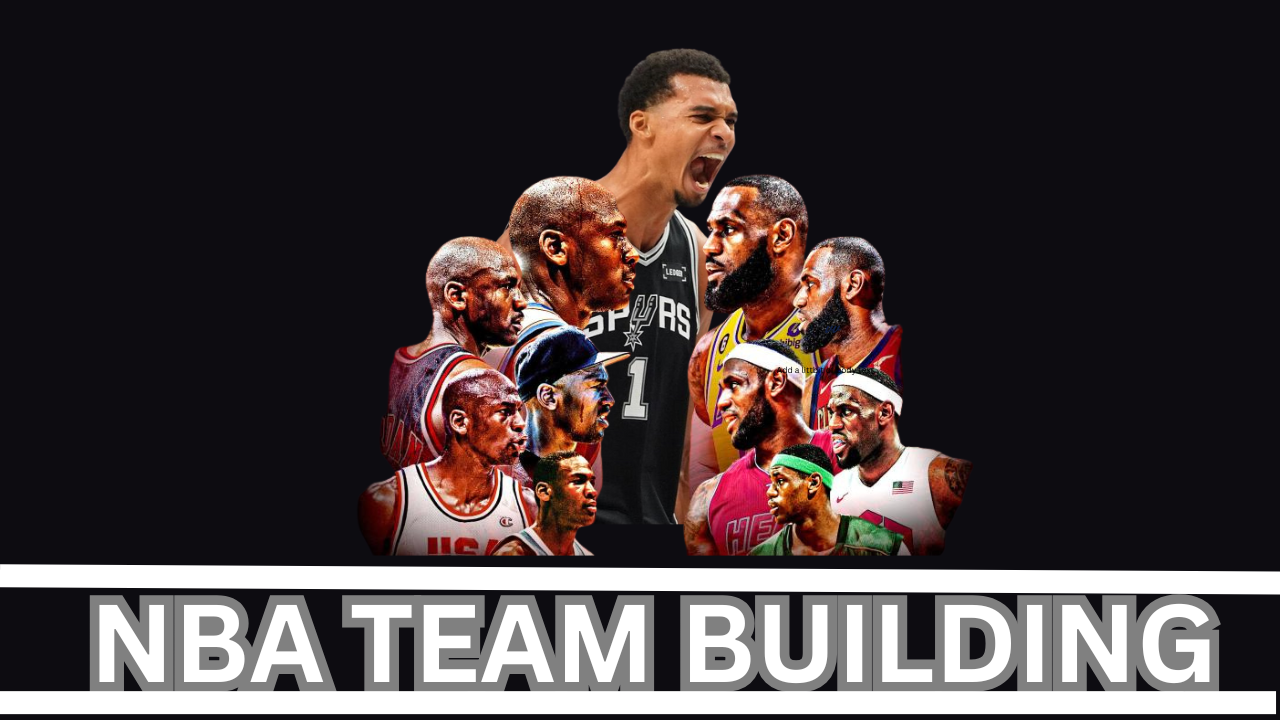
There was a time when building an NBA contender felt like shopping for a glossy magazine cover.
Get two or three All-Stars. Add a famous coach. Sprinkle in a couple veterans with playoff scars. Print the Finals hats.
And sometimes it worked. Sometimes it didn’t. But the logic was simple: collect the biggest names, and the wins will follow.
That era is fading fast.
Today’s NBA is less “assemble the Avengers” and more “design a system.” Roster construction has shifted from star collection to role architecture. The best teams don’t just have talent — they have fit. They have spacing that makes sense, defenders who rotate on a string, and a set of role players whose “boring” skills become lethal when they align.
That evolution isn’t just basketball. It’s business.
Harvard Business Review recently made a similar point about executive teams: too many CEOs treat the C-suite like a VIP list — whoever has a “chief” title gets a seat — and then wonder why the room fills up with politics, slowed decisions, and diluted accountability. The argument is that the C-suite should be designed to execute the strategy, not arranged by org chart or status.
Want the video breakdown?
Search YouTube: @TheSportsmenHoops
If that sounds like a modern GM, it’s because it is.
From “All-Stars” to “A System That Travels”
The 1980s and 1990s: Defined roles, defined lanes
In older generations, roles were often clearer because the game itself was more rigid.
Bigs lived closer to the rim.
Guards organized, entered sets, and fed the machine.
Wing defense existed, but “switch everything” wasn’t the default language.
Shot profiles were different: fewer threes, more midrange, more post touches.
Team-building was still about fit, but the fit was easier to see because the lanes were painted thicker.
Michael Jordan didn’t win six championships just because he was the greatest player ever. He won because the Bulls were built with intention — Scottie Pippen’s versatility, Dennis Rodman’s rebounding, and role players who knew exactly what they were there to do. Jordan was the engine, but the machine mattered.
The 2010s: The superteam sugar rush
Then we hit the superteam decade.
The belief: if you stack elite shot creation and star power, you can solve everything late in games. Talent becomes the strategy.
Sometimes it worked because the stars were also adaptable. LeBron James’ championship teams weren’t just stacked — they were structured. The Heat surrounded him with shooters and defenders. The Cavaliers balanced shot creation with size and rebounding. The Lakers built around defense and transition.
Sometimes it failed because the roster looked like a group project where everyone wanted to be the presenter and nobody wanted to build the slides.
The 2020s: Fit is a weapon
Now the league is in an era where:
- Spacing is oxygen
- Switching is currency
- Decision speed matters as much as decision quality
- The postseason punishes your weak links like it has a personal vendetta
You can’t hide a non-shooter the same way. You can’t survive with one-way specialists unless you’re protecting them with a scheme that never breaks. And you can’t build a “star-only” roster without running into the reality that a basketball game still requires five roles at once.
That’s why the Spurs aren’t rushing to stack stars around Victor Wembanyama. They’re building spacing, development pathways, and a defensive identity that fits his unique skill set.
That’s modern team-building.
The C-Suite Parallel: “Design, Don’t Just Arrange”
In business, if your strategy is speed and innovation, you need operators who can ship, not just debate. If your strategy is efficiency and margin, you need financial discipline and decision rights that are clear.
In basketball, if your strategy is pace-and-space, you need shooting, quick decisions, and lineups that defend in space — not three big names who all want the ball in the same spots.
Your “org chart” is your lineup chart. If it doesn’t match the way you intend to win, you’re just collecting titles.
Two elite players who do the same thing can be less valuable than two slightly less elite players whose skills multiply. Jordan needed Pippen. LeBron needed shooters and defenders. Duncan needed structure and spacing.
In business, five executives who all specialize in “vision” but nobody owns execution is a fancy meeting with no outputs.
Fit beats fame.
Decision Speed Is the New Superpower
Basketball has turned into a decision-speed sport. Your reads have to be fast because defenses rotate faster, and the math punishes hesitation.
Executives face the same pressure. In environments moving quickly, slow decisions are often worse than slightly imperfect decisions made early — because the market moves, the moment passes, and you’re stuck executing yesterday’s plan.
The best teams — on the court and in the boardroom — clarify decision rights and responsibilities so execution doesn’t stall in “alignment theater.”
The Sportsmen Take: You Can’t Fake Fit Anymore
You can’t roll out five famous names, pray the talent overwhelms the problem, and call it leadership.
The league is too smart.
The scouting is too detailed.
The spacing is too punishing.
The chess match is too deep.
And honestly? That’s good.
Because “fit” is basketball honesty.
Fit means:
You know what you are.
You know what you’re not.
And you stop pretending your weaknesses are “intangibles.”
That’s how good teams work. That’s how good businesses work.
The Close
Modern NBA roster building isn’t about collecting All-Stars. It’s about designing a five-man ecosystem — and then building an organization around it.
Modern C-suites aren’t about collecting chiefs. They’re about building an executive unit that can turn strategy into action — and do it fast.
Both are the same game: execution under pressure.
And that’s the era we’re in.
Want the video breakdown?
Search YouTube: @TheSportsmenHoops